Grade A vs. Grade B Vanilla Beans: What’s the Difference?
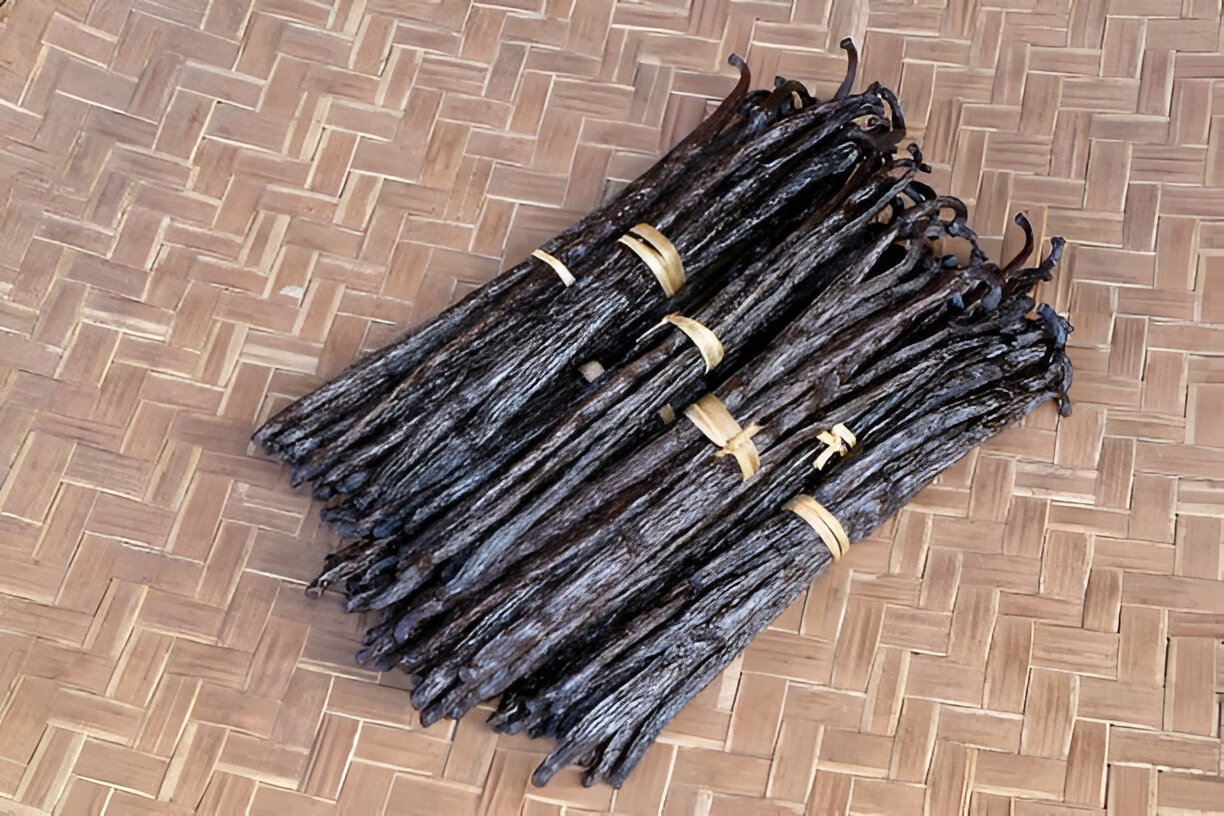
Over the years, working as both a professional chef and a food columnist, I’ve had countless opportunities to experiment with different varieties of vanilla beans in my kitchen. Among them, Grade A and Grade B vanilla beans are the ones I reach for most often — yet they’re also the ones that spark the most confusion. At first glance they may look similar, but once you start baking and tasting, the differences become much more noticeable.
These two grades vary in moisture content, flavor intensity, texture, and of course, price. Choosing the right one can make a real difference in everything from silky custards and homemade ice cream to rich cakes and delicate pastries. Understanding how each grade performs helps you get the most flavor for your money and ensures your desserts turn out exactly as you imagined.
In this post, I’ll break down the key differences between Grade A and Grade B vanilla beans, share how I use each in my own recipes, and help you decide which one best suits your cooking and baking needs.
What Are Vanilla Flavor Profiles?
Vanilla flavor profiles refer to the distinct aroma and taste characteristics found in vanilla beans, which can range from sweet and creamy to woody, floral, or even smoky. These profiles are influenced by where the beans are grown, how they’re cured, and the grade of the vanilla itself. Understanding these nuances helps home cooks and professional chefs alike choose the right bean for the right dish.
Vanilla beans are typically graded into two categories: Grade A (also known as gourmet) and Grade B (extract-grade). Each has a unique flavor concentration and moisture level, which directly impacts the taste of your final recipe.
Here’s a quick comparison:
| Grade | Texture | Flavor Intensity | Ideal Use |
| A | Oily, plump | Mellow, aromatic | Desserts, sauces |
| B | Dry, brittle | Strong, bold | Extracts, infusions |
Knowing the differences can elevate your culinary creations by matching the flavor profile to the dish’s needs.
What’s the Difference Between Grade A & Grade B Vanilla Beans?
Grade A vanilla beans [1] are generally considered higher quality due to their appearance, flavor, and vanillin content.
“Choosing between Grade A and Grade B vanilla beans is like choosing between a delicate symphony and a bold concerto – both are beautiful in their own way, but it’s all about finding the right balance for your recipe.”
– Eat Gap Restaurant & Food Advice
They are ideal for recipes where the vanilla flavor is front and center, such as custards and cakes.
Grade B vanilla beans are less expensive and better suited for recipes where vanilla is a supporting flavor, such as spice blends and marinades.
A Closer Look
| Grade A Vanilla Beans | Grade B Vanilla Beans | |
| Appearance | Plump and moist | Drier and less plump |
| Flavor | Sweet and delicate | Robust and complex |
| Aroma | Strong and fragrant | Mild and subtle |
| Vanillin Content | High | Lower |
| Best for | Recipes where vanilla | Recipes where vanilla |
| is the main flavor | is a supporting flavor | |
| Common Uses | Custards, ice cream, | Making vanilla extract, |
| cakes, and other baked | spice blends, and | |
| goods | marinades | |
| Price | More expensive | Less expensive |
Which Grade of Vanilla Bean Is Best for Baking?
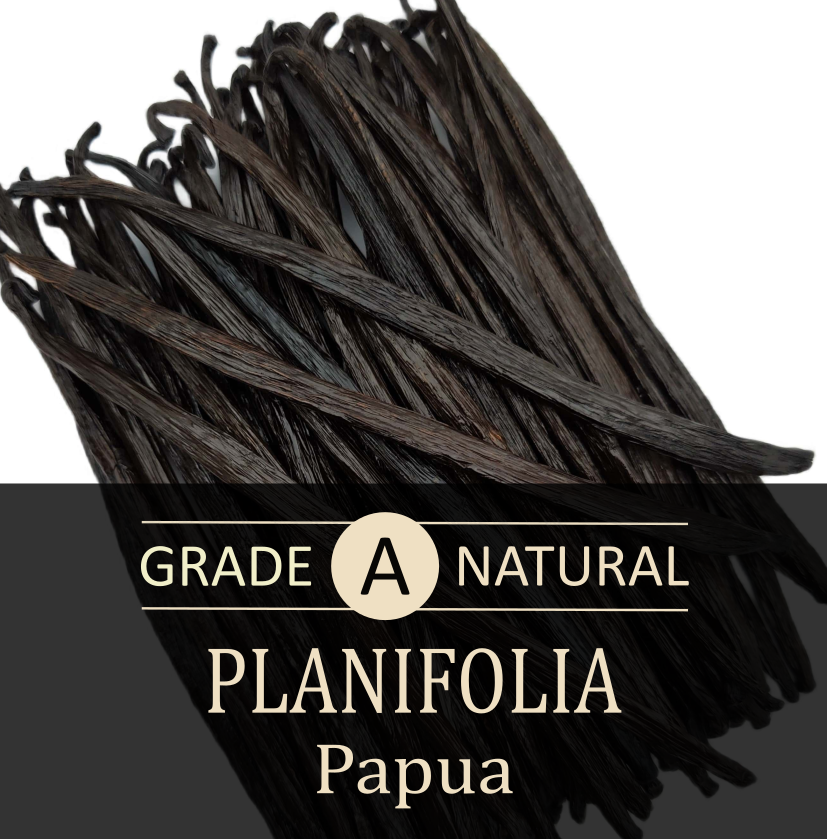
Grade A and Grade B vanilla beans can be used for baking, but Grade A is generally preferred for recipes where the flavor of the vanilla is critical.
Grade A vanilla beans have a sweet and delicate flavor and a high vanillin content, which makes them perfect for custards [2], ice cream, and cakes.
On the other hand, Grade B vanilla beans have a more complex and robust flavor and are better suited for recipes where the vanilla is a supporting player, such as in spice blends or marinades.
How Do You Choose The Best Quality Vanilla Beans?
- Look for plump and moist pods: Vanilla beans should be plump and flexible to the touch. Avoid dry or brittle pods, indicating they are old or of lower quality.
- Check the aroma: High-quality vanilla beans will have a solid and fragrant aroma. The stronger the smell, the better the quality.
- Inspect the appearance: Good-quality vanilla beans should be dark brown or black and have a slight shine. Avoid beans that are dull or discolored.
- Examine the packaging: Choose beans packaged in airtight or vacuum-sealed bags to ensure freshness.
- Consider the source: Look for beans from reputable suppliers or regions known for producing high-quality vanilla, such as Madagascar or Tahiti.
Why Are Grade A Vanilla Beans More Expensive?
- Grade A beans are generally considered higher quality due to their plump, moist pods and high vanillin content, which is responsible for vanilla’s characteristic flavor and aroma.
- Grade A beans are more labor-intensive, as they must be harvested at the perfect ripeness and carefully cured to preserve their quality. This can make the production process more time-consuming and costly.
- The demand for Grade A vanilla beans is often higher than for Grade B, which can increase the price.
Can You Substitute Grade B Vanilla Beans For Grade A In A Recipe?
You can substitute Grade B vanilla beans for Grade A in a recipe, but remember that the flavor profile may differ slightly.
Grade B vanilla beans have a more robust and complex flavor than Grade A beans and may be overwhelming in some recipes.
“ I guess if I’m a product, either you’re chocolate, you’re vanilla, or you’re butterscotch. You can’t be all three.”
– Bruno Mars, American Singer
It’s best to use Grade A vanilla beans for recipes where the vanilla flavor is the star of the show and Grade B for recipes where the vanilla is a supporting player..

FAQs on Vanilla Beans Grade
Should I use Grade A or B vanilla beans for sugar?
Either Grade A or Grade B vanilla beans can be used for making vanilla sugar.
What Grade is best for vanilla extract?
Grade B vanilla beans are typically best for making vanilla extract. The lower moisture content and more robust flavor of Grade B beans make them ideal for steeping in alcohol to create a rich, complex vanilla flavor.
Final Thoughts
Understanding the differences between Grade A and B vanilla beans is critical to selecting the right bean for your culinary needs.
Grade A vanilla beans are considered the highest quality due to their plump, moist pods and sweet, delicate flavor. They are best suited for recipes where the vanilla flavor is the show’s star.
On the other hand, Grade B vanilla beans have a more complex and robust flavor, lower moisture content, and are less expensive than Grade A beans.
They are often used for making vanilla extract or in recipes where the vanilla is a supporting player.
References:
- https://www.thespruceeats.com/history-of-vanilla-beans-1809274
- https://www.allrecipes.com/recipe/258755/simple-custard/

Kathy is a restaurateur, artist, and blogger. After spending more than 10 years in the restaurant industry, she has decided to go digital and share her expertise and experience online.