
Green Peas vs. Sweet Peas: What’s the Difference?
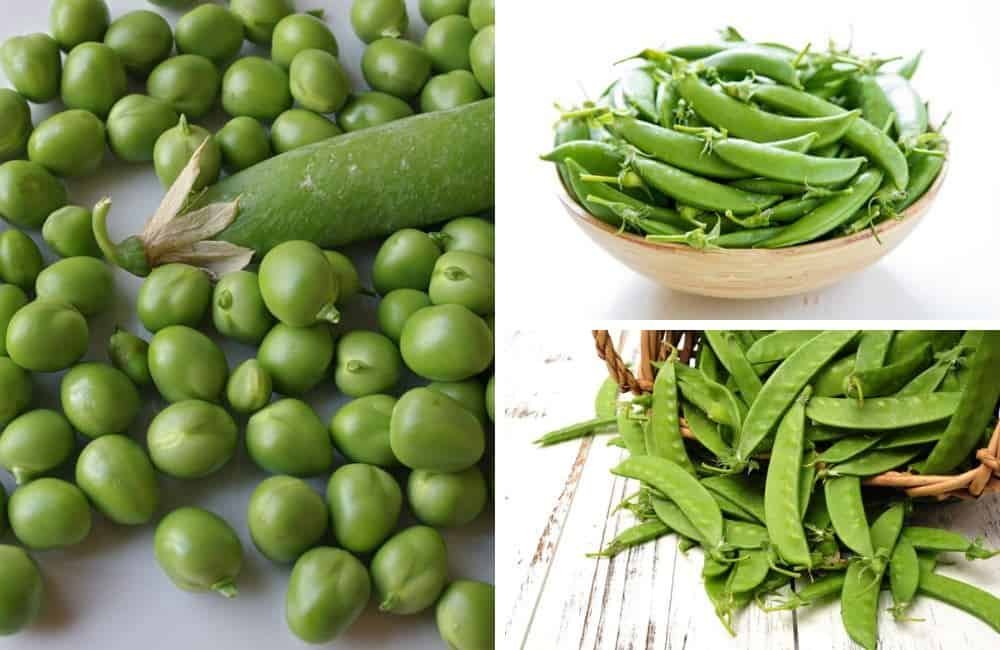
When most people think of peas, their minds likely drift to the familiar green variety—those little pops of earthy sweetness that pair perfectly with a warm plate of mashed potatoes or a hearty stew. But in recent years, sweet peas have been stealing a bit of the spotlight, captivating taste buds and sparking curiosity. They’re not just a lovely name; they offer their own unique charm that deserves attention.
What is the difference between green peas and sweet peas, and which one should you choose for your plate? Are sweet peas just a fancier version of the classic green peas we grew up eating, or is there more to the story?
Learn what makes them different by digging deeper. You might be surprised.
By the end of this article, you’ll know exactly how these two types of peas compare in taste, nutrition, and uses in the kitchen. Whether you’re a home chef looking to elevate your meals or just someone curious about what makes sweet peas so special, this guide has you covered. Let’s begin!
What’s the Difference Between Sweet Peas & Green Peas?
When it comes to taste, sweet peas are definitely sweeter than green peas. This is because they contain more sugar.
On the other hand, green peas are more starchy and have a savory flavor.
As for nutrition, both types of peas are excellent sources of fiber, vitamins, and minerals. However, sweet peas have more antioxidants than green peas.
Let’s Take A Closer Look
Growth Habits
Both green peas and sweet peas are members of the legume family, which means they share some common growth habits. [1]
For example, both plants have tendrils that they use to climb, and both produce pods that contain seeds.
Green peas and sweet peas provide gardeners with different options for adding color and interest to their gardens.
Pod & Seeds
Though they are both technically peas, green peas and sweet peas differ in a few key ways. For one, green peas are typically grown for their pods and seeds, while sweet peas are grown for their flowers.
This means that green peas are generally harvested earlier than sweet peas. Additionally, green peas have a more starchy flavor, while sweet peas are sweeter and more delicate.
Flowers
Sweet peas and green peas may look similar, but they are two different types of plants. Sweet peas are a type of flowering plant that is often grown for ornamental purposes.
Green peas, on the other hand, are a type of legume that is typically eaten as a vegetable. While sweet peas have large, showy flowers, green peas have small flowers that are not as noticeable.
Green peas are also much smaller than sweet peas and have a more muted color.
| Related Posts: What Happens If You Eat Bad Green Beans? |
Best Way To Eat Them
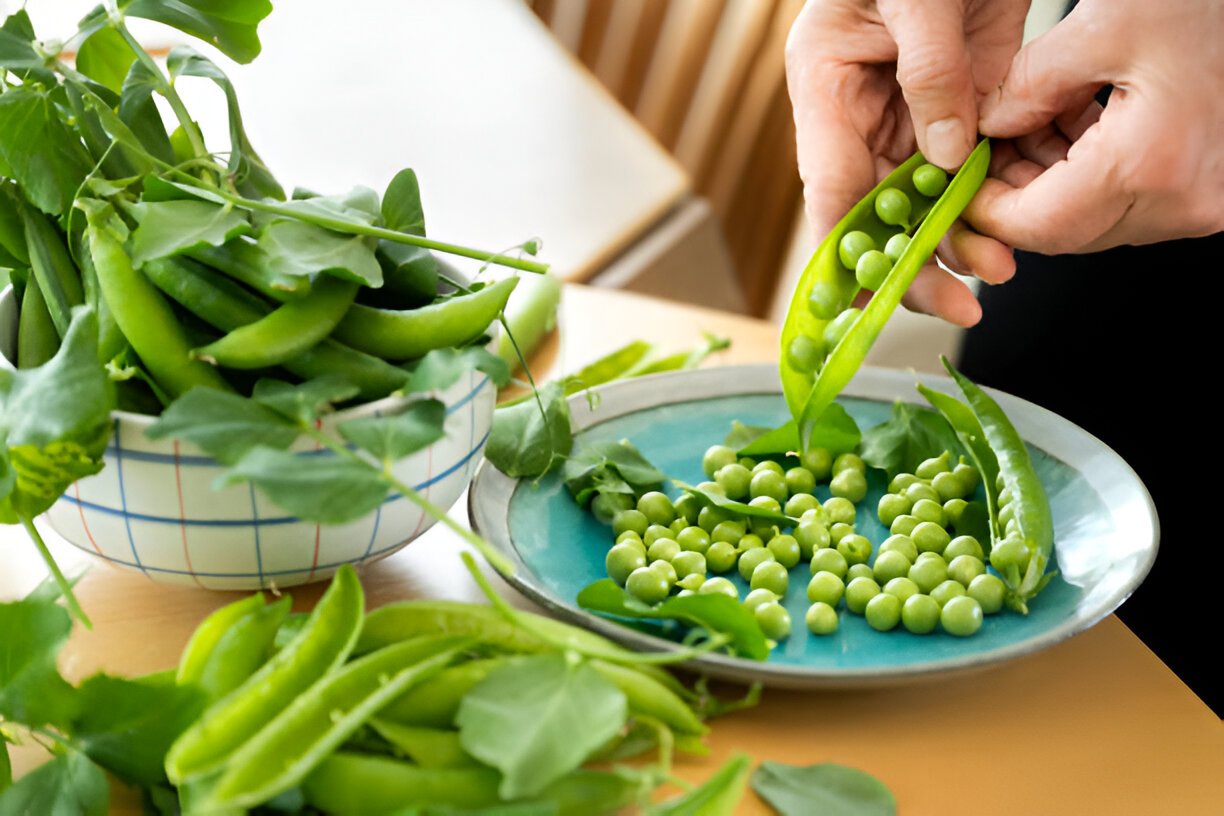
Green peas are the kind that most people are familiar with – they are small, round, and have a slightly starchy taste.
On the other hand, sweet peas are much larger and have a sweeter flavor. Both types of peas can be eaten raw or cooked, but green peas are generally best when cooked, while sweet peas are best eaten raw.
When it comes to nutritional value, green peas contain more vitamins and minerals than sweet peas. However, sweet peas have more fiber and protein.
Nutritional Comparison: Green Peas vs. Sweet Peas

Green peas and sweet peas both have high nutritional values, despite some differences.
Green peas, typically higher in protein, offer a solid source of fiber, vitamins like A, C, and K, as well as minerals such as iron and magnesium. On the other hand, sweet peas have a slightly sweeter taste but also provide a rich profile of vitamins and antioxidants, including vitamin C and B vitamins, which are important for overall health.
While both types of peas are beneficial for boosting your immune system and supporting digestion, green peas may be a better option for those seeking higher protein content, making them more filling and supportive of muscle growth.
Sweet peas, however, are an excellent choice for satisfying a sweet craving while still enjoying the health benefits of fiber and essential nutrients.
Incorporating either variety into your diet can help improve heart health, digestive function, and overall well-being.
| Related: How Much Is A Bushel Of Green Beans? |
FAQs on Green Peas vs Sweet Peas
Are green peas the same as garden peas?
No, green peas and garden peas are not the same. Green peas are a type of legume typically eaten as a vegetable, while garden peas are a type of pea grown for their seeds. Garden peas are also known as English peas or snow peas.
Are sweet peas poisonous?
No, sweet peas are not poisonous. They are a type of flowering plant that is often grown for ornamental purposes.
What is the difference between a green pea and a yellow pea?
The main difference between green and yellow pea is their color. Green peas are, well, green, while yellow peas are yellow. Yellow peas are also sometimes called yellow split peas.
Green peas and yellow peas have a similar flavor and can be used interchangeably in recipes. However, green peas are more nutritious than yellow peas.
Can you eat green peas & sweet peas raw?
Yes, you can eat green peas and sweet peas raw. However, green peas are generally best when cooked, while sweet peas are best eaten raw. This is because cooked green peas have a more starchy flavor, while raw sweet peas are sweeter and more delicate.
Final Thoughts
If you like sweet foods, then sweet peas are probably the way to go. But if you prefer savory flavors, green peas might be better for you. Ultimately, it’s up to you to decide which type of pea you like best!
Do you prefer both green peas and sweet peas? Let us know in the comments below!
Reference:
- https://www.hsph.harvard.edu/nutritionsource/legumes-pulses/

Kathy is a restaurateur, artist, and blogger. After spending more than 10 years in the restaurant industry, she has decided to go digital and share her expertise and experience online.